NR 297 Vigna Lunga-Trebbione – Wetland of National Importance
Project
The Fondazione Parco del Piano di Magadino has commissioned the firm Oikos – Consulenza e ingegneria ambientale Sagl of Bellinzona to design the enhancement interventions for the Vigna Lunga-Trebbione wetland of national importance, project no. 2305. The intervention was funded by the Canton, Municipalities, the Confederation, and the Blue Planet Virginia Böger X.X. Foundation.
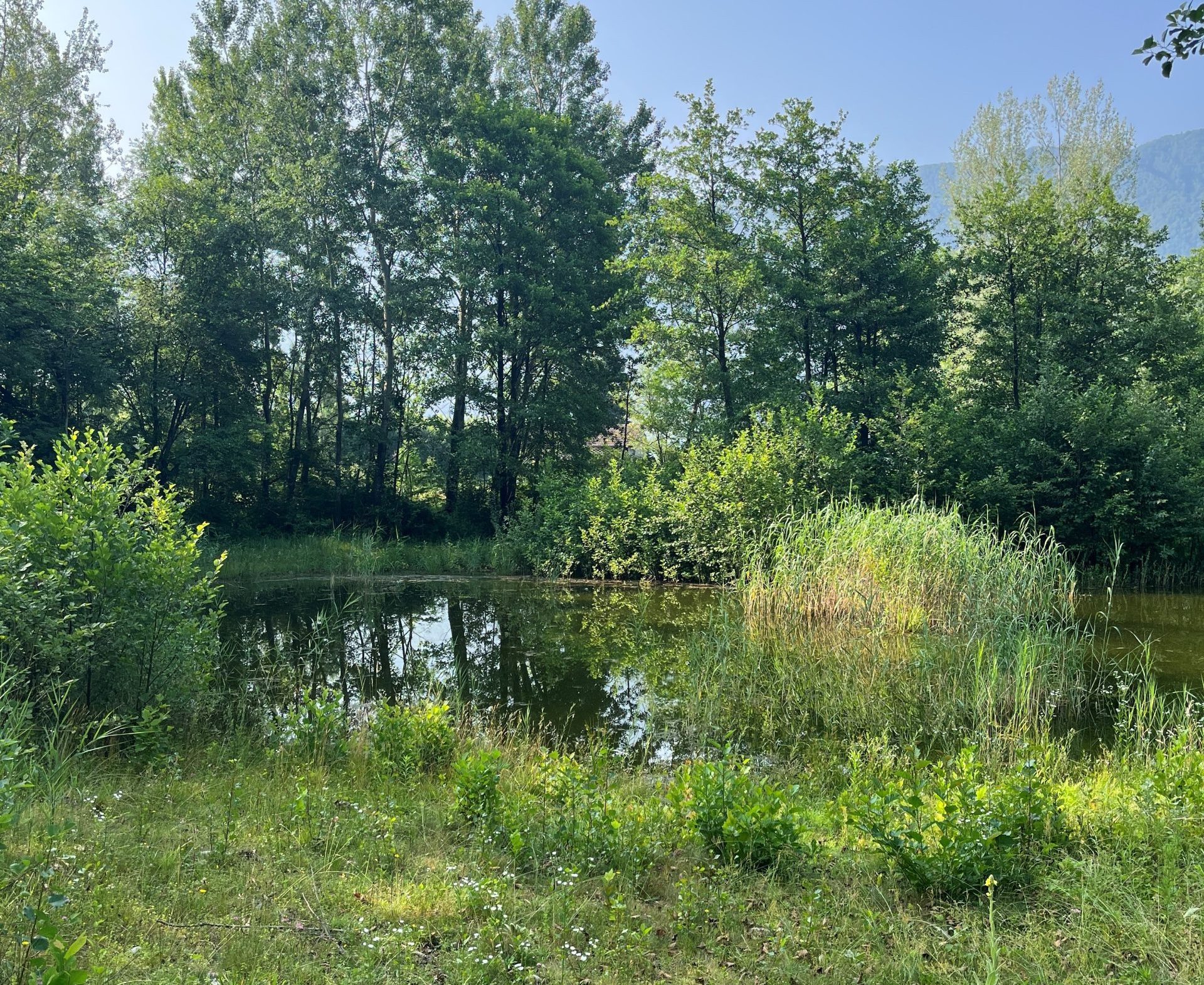
The Vigna Lunga-Trebbione nature reserve represents what remains of an old oxbow lake of the Ticino River. The protected area extends between the flood-protection embankment and the main left-bank canal that marks its southern boundary. The rest of the perimeter is characterized by hay meadows and arable land. A small man-made pond is located in the center of the reserve, while a significant area in the western part has been converted into a storage site for plant material and a dirt yard.
With the financial support of
The general objective of this mandate is the planning of interventions for the enhancement of the wetland's natural features and its ecological function in the medium-to-long term, specifically:
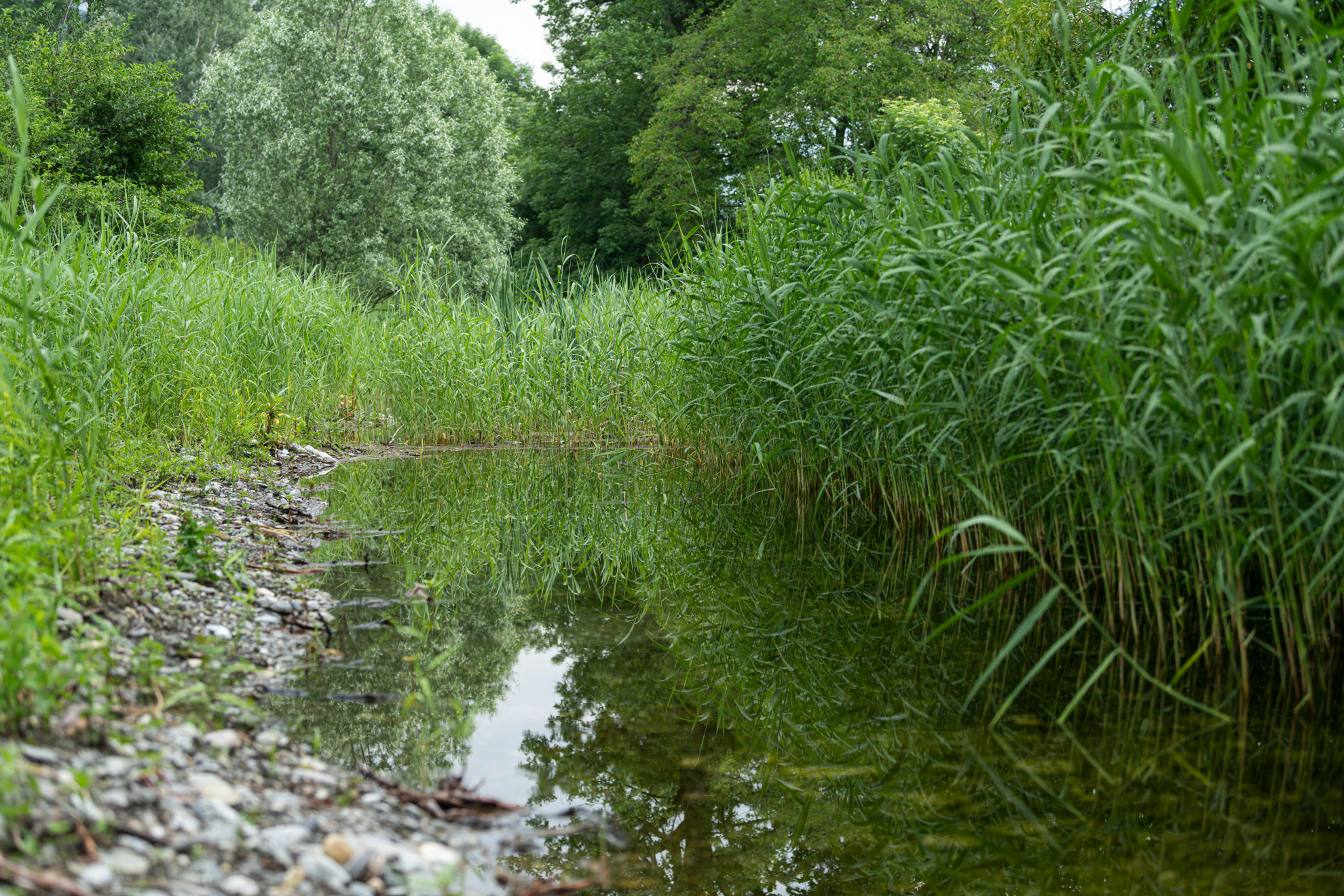
The restoration of reed beds and sedge meadows.
The control of invasive neophytes.
Landscape restoration.
The enhancement of the hygrophilous ash and black alder forest.
The introduction of natural elements to support herpetofauna and restore ecological connections.
The restoration of breeding sites for the crested newt.
State before interventions: issues
In general, a progressive siltation of the marshy environments has been observed in the wetland, resulting in the replacement of hygrophilous species with mesophilous and ruderal species, leading to a simplification of habitat and floral diversity. This process has affected both forested and open areas and has been exacerbated by the penetration and spread of invasive neophytes, such as bamboo (Phyllostachis viridiglaucescens), which forms monospecific stands, and Himalayan balsam (Impatiens glandulifera), which is widespread in all types of habitats except for the most closed and shaded forest areas.
This state of degradation was already highlighted in the NR 297 datasheet, which is why the quality of the nature reserve is judged as insufficient. The presence of a large destroyed sector, the absence of trophic buffer zones, the high degree of siltation, and the presence of a body of water that is not very functional for the reproduction of amphibians (due to the presence of fish) are heavily penalizing elements. Furthermore, the management of the drainage canal crossing the reserve is not adequate for nature conservation purposes.
Specific objectives of the environmental restoration
The project area is located within a zone of great natural, landscape, and agricultural value, defined as an agroecosystem. The restoration project must take these aspects into account when defining the methods and purposes of the interventions, as well as the specific objectives in terms of target environments and species, listed below:
1
Restoration of the series of wetland environments typical of the Piano di Magadino, such as sedge meadows (Magnocaricion), marshy meadows with tall herbs (Filipendulion / Convolvulion), and lacustrine and terrestrial reed beds.
2
Restoration of aquatic environments with floating vegetation (Lemnion) as breeding sites for amphibians and the Vigna Lunga-Trebbione basin.
3
Revitalization of the valuable forest formations of black alder (Alnus glutinosa) and European ash (Fraxinus excelsior), through rehydration of the surfaces (recovery of oxbow lakes and targeted lowering of the ground level) and the conversion of black locust stands.
4
Enhancement of forest edges, clearings, and tall herb clusters, replacing monospecific exotic bamboo formations.
5
Restoration of ecological connections to recreate integration between natural and agricultural areas, reconstituting a functional agroecosystem.
6
Implementation of effective control of invasive neophytes, which are particularly widespread and integrated into all environments of the project area.
7
Restoration of the black alder forest understory
8
Cleanup of illegal agricultural material deposits located within the perimeter of the protected area.
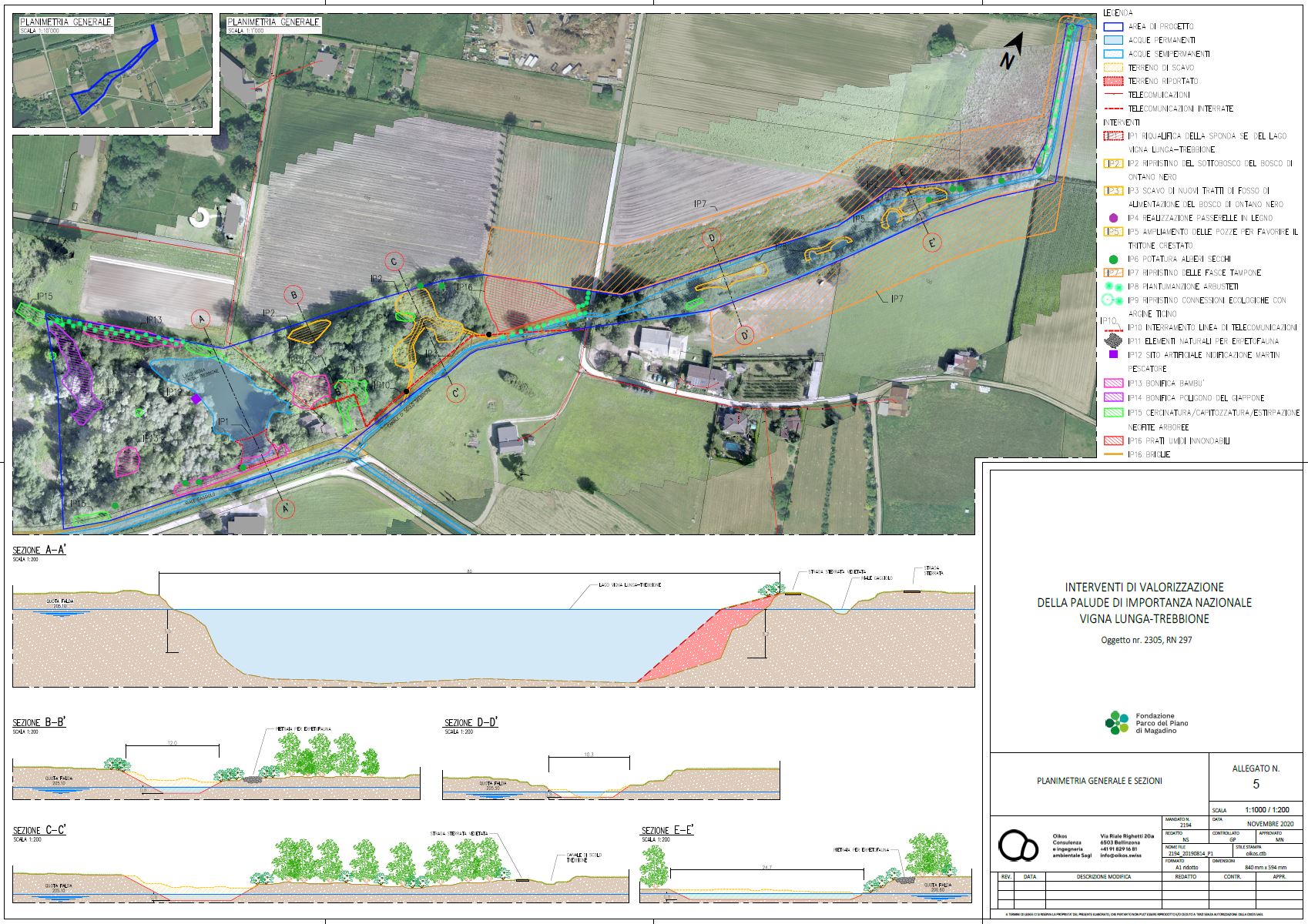
Description of interventions
Redevelopment of the southeastern shore of Lake Vigna Lunga-Trebbione
Construction of wooden walkways
Restoration of buffer zones
Undergrounding of overhead power/telephone lines
Cleanup of areas invaded by bamboo
Conversion of a nutrient-rich meadow into a floodable wet meadow
Restoration of the black alder forest understory
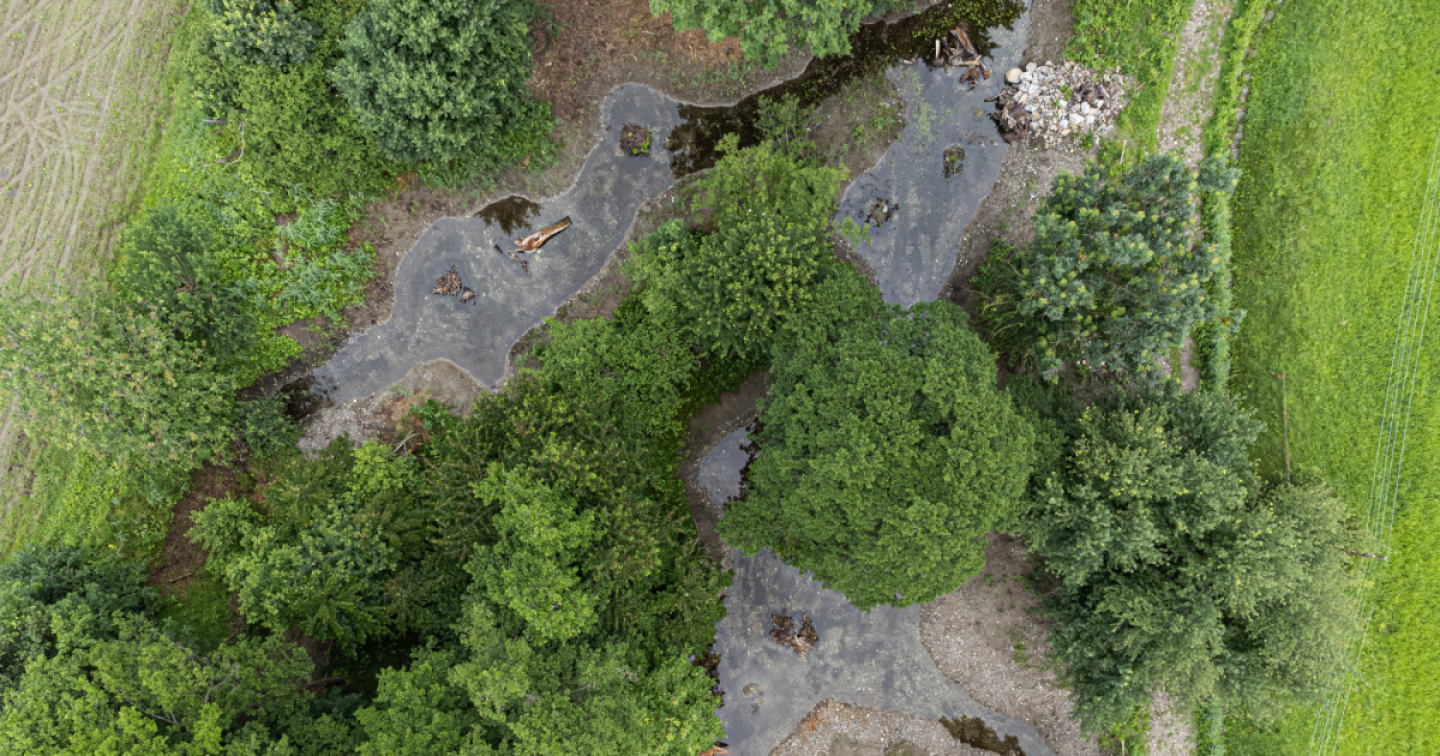
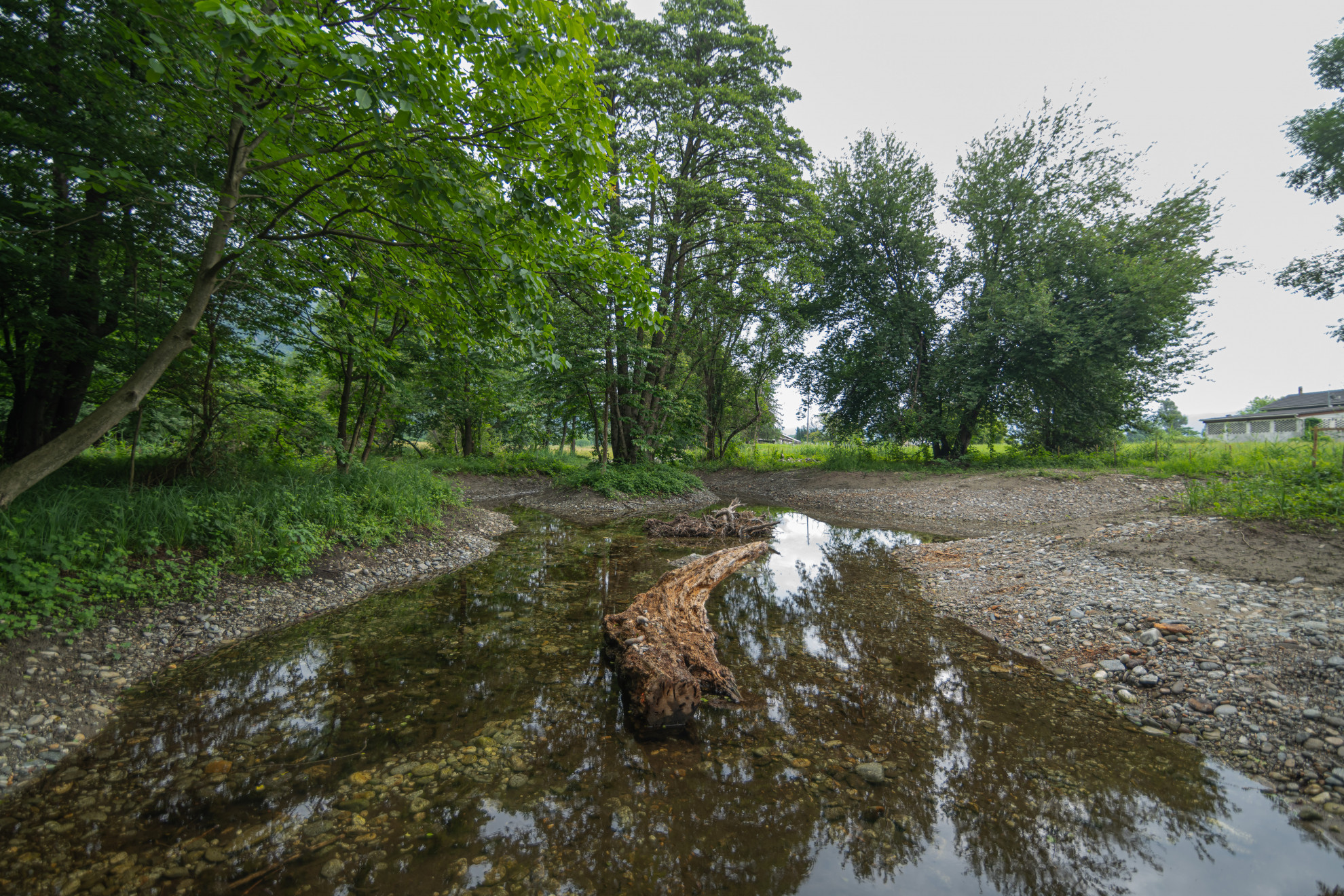
Expansion of ponds / wetland biotopes to support the crested newt and other amphibian species
Planting of shrublands
Creation of natural elements for herpetofauna (reptiles)
Cleanup of Japanese knotweed clusters
Restoration of oxbow lakes in the black alder forest
Pruning of large dead trees
Restoration of the ecological connection with the Ticino River embankment
Nesting site for the Kingfisher
Girdling / pollarding / eradication of invasive woody neophytes