RN 256 Santa Maria – amphibian breeding site of national importance
Project
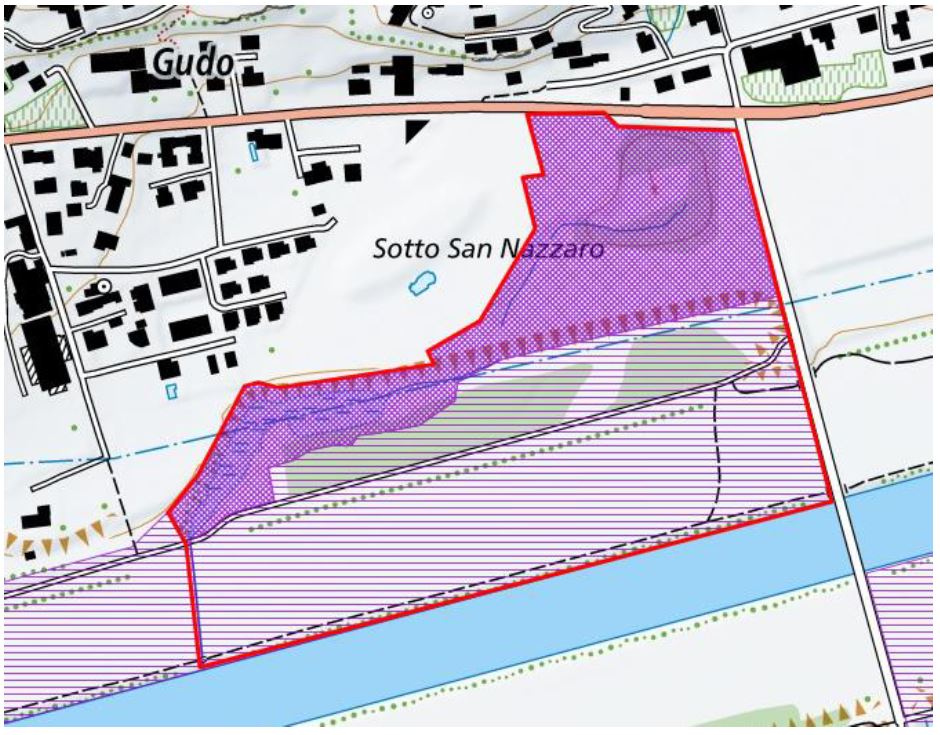
The Fondazione Parco del Piano di Magadino has commissioned the firm Oikos – Consulenza e ingegneria ambientale Sagl of Bellinzona to design a five-year naturalistic management plan (2020-2024) for the Santa Maria nature reserve and amphibian breeding site of national importance. The project was funded by the Canton, Municipalities, and the Confederation.
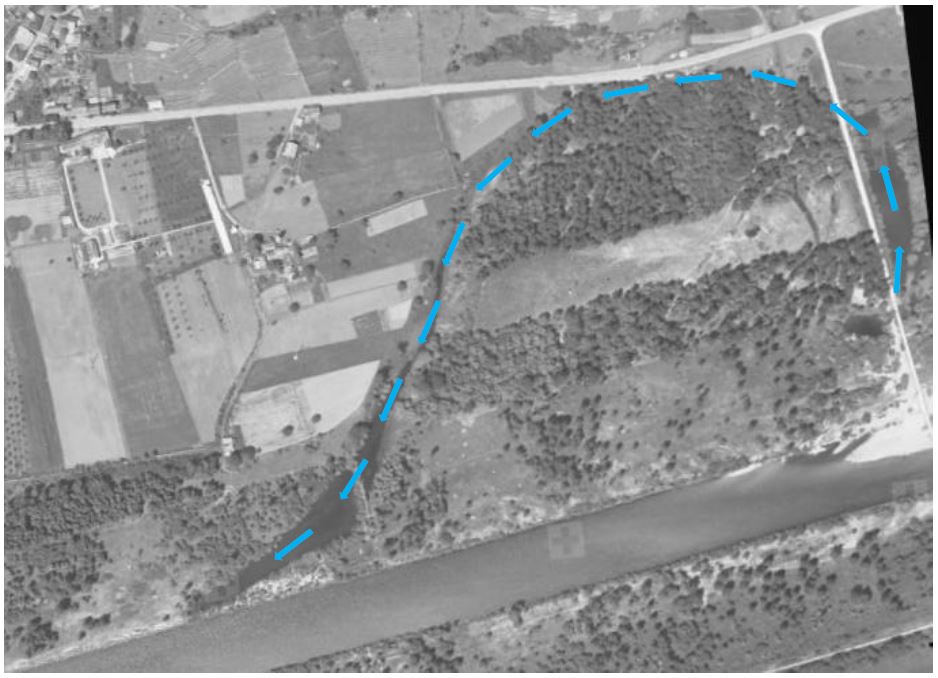
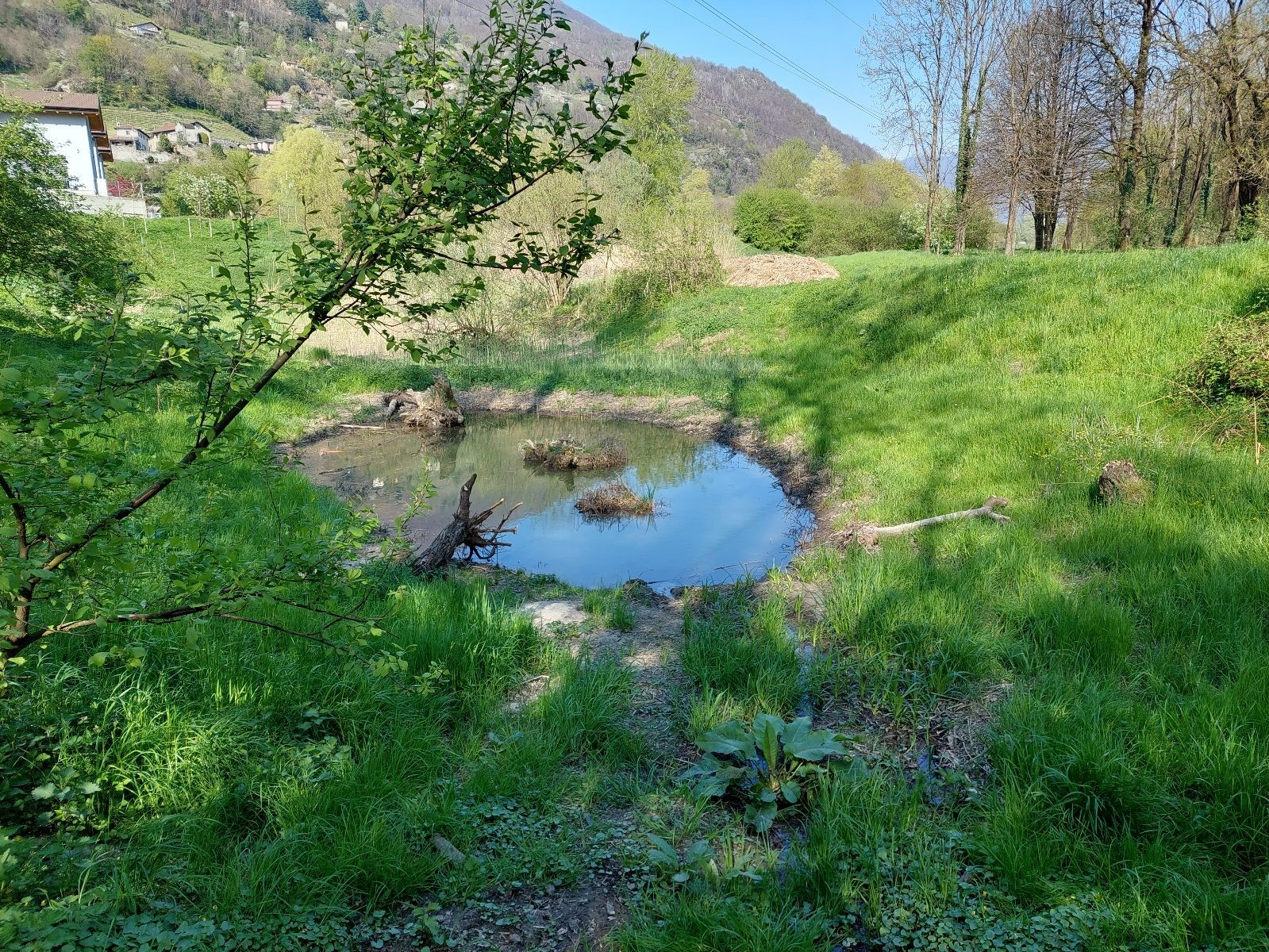
An analysis of the recent history of the Santa Maria project area shows that approximately 80 years ago, it was surrounded by a meander of the Ticino River, which carved out the depression that still exists today and represents the most significant wetland in the reserve.
With the financial support of
Through a 5-year naturalistic management plan (2023-2027), the general objective is the maintenance and enhancement of the natural features of the nature reserve and its ecological function in the medium and long term. In particular, the interventions aim to:
Manage forest areas and woodland edges (hedges and groves).
Clean surfaces of waste and illegal deposits of various materials.
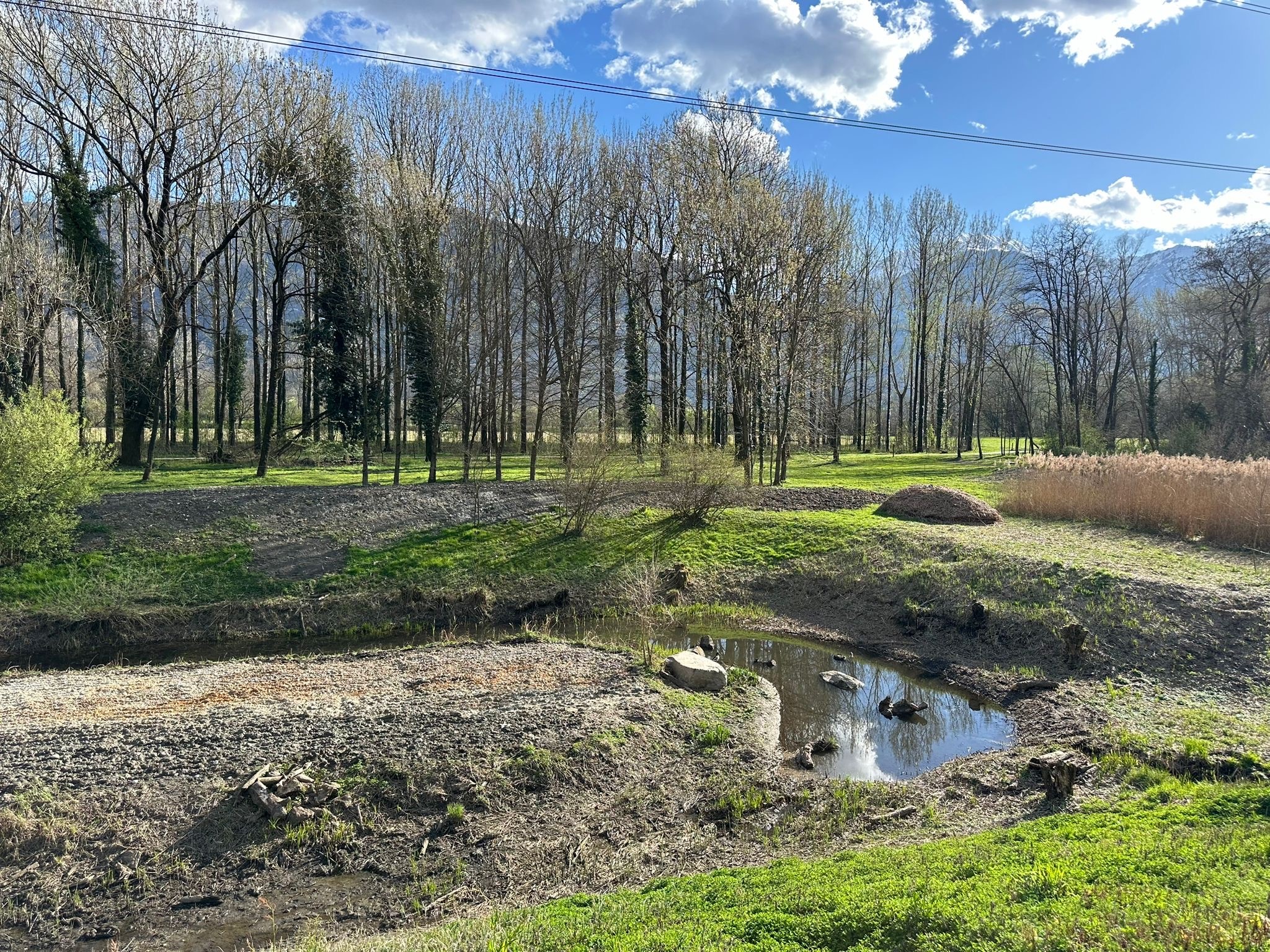
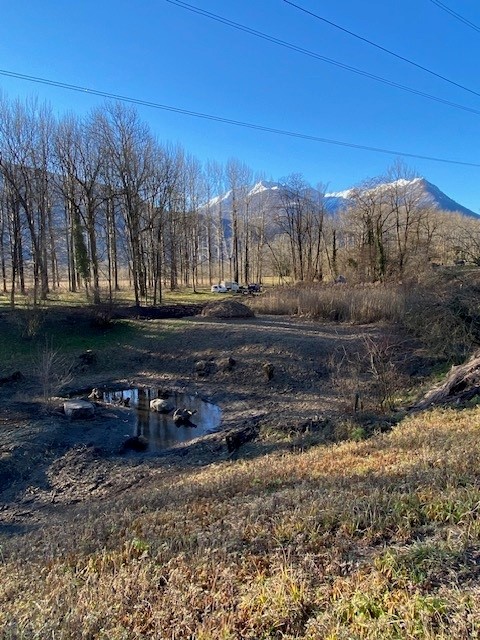
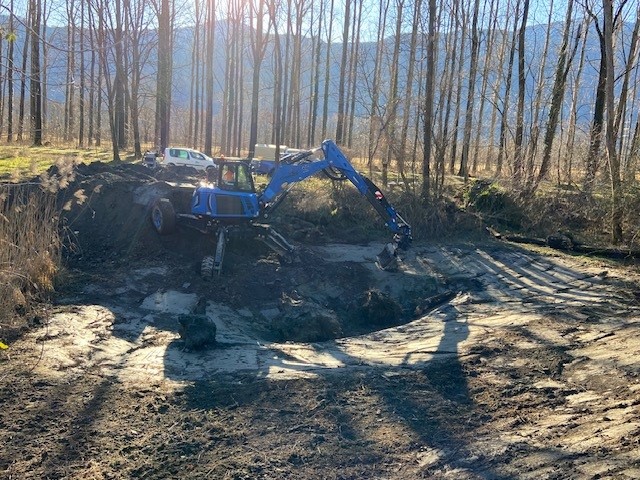
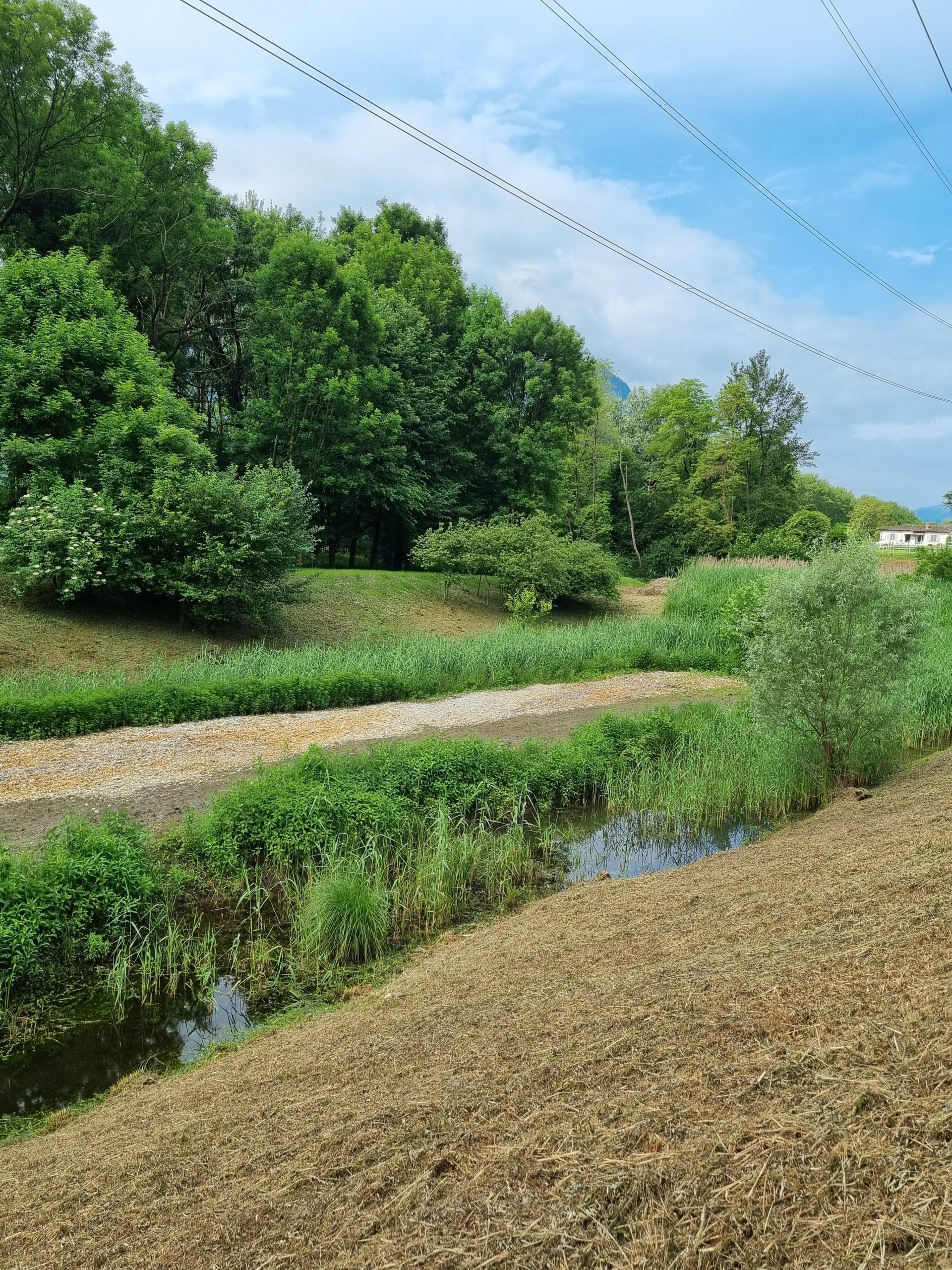
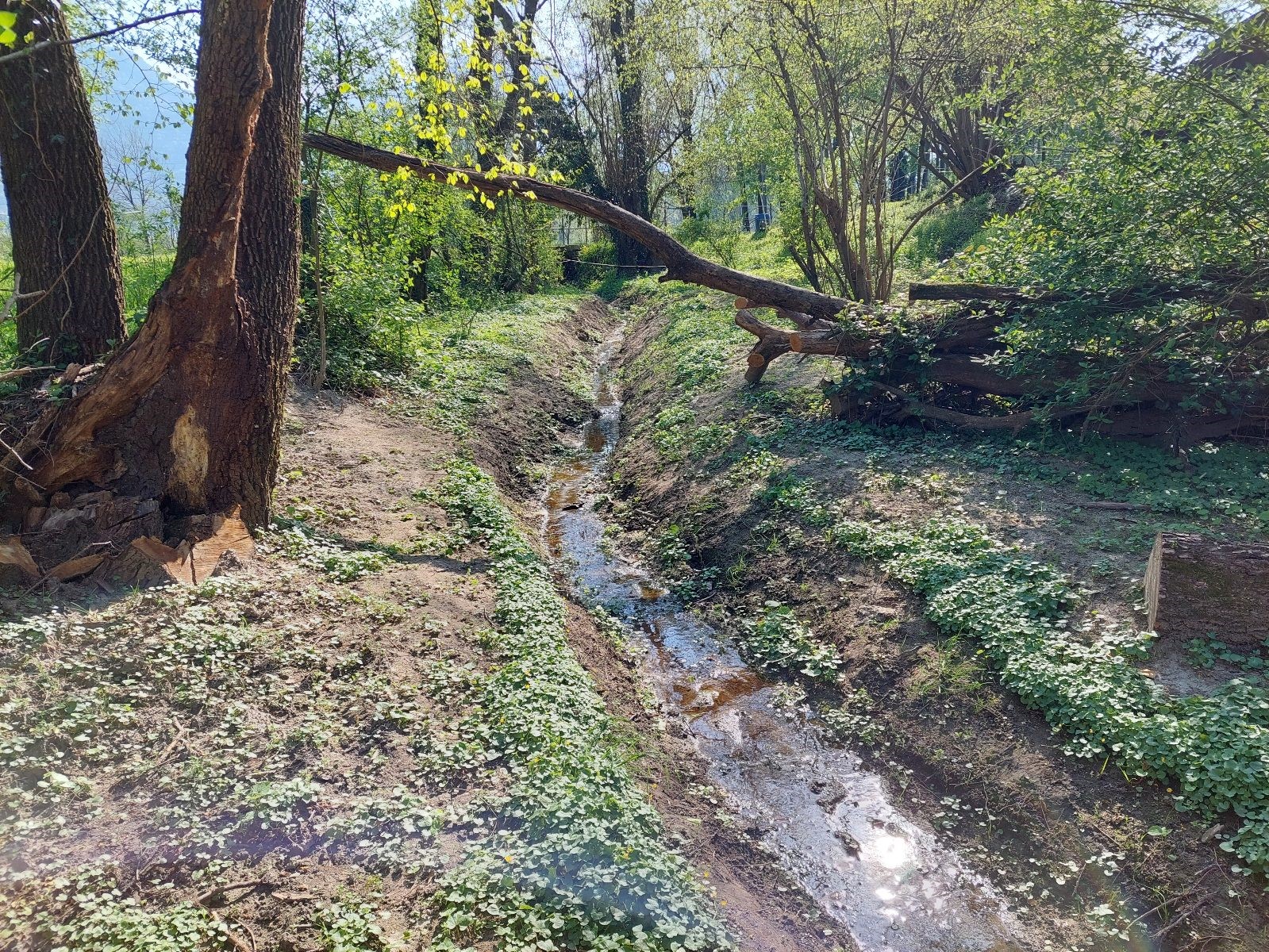
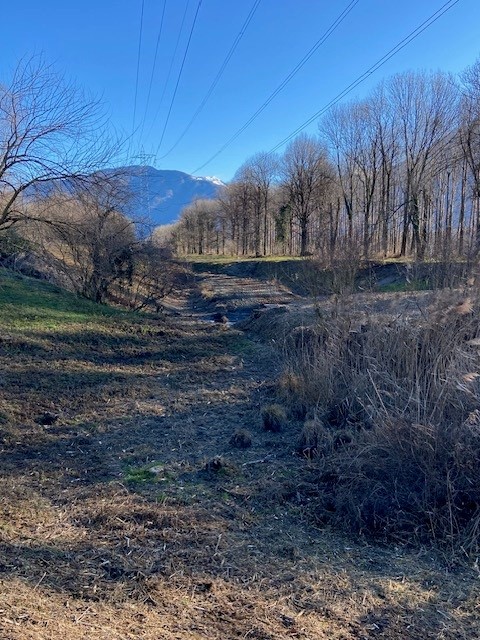
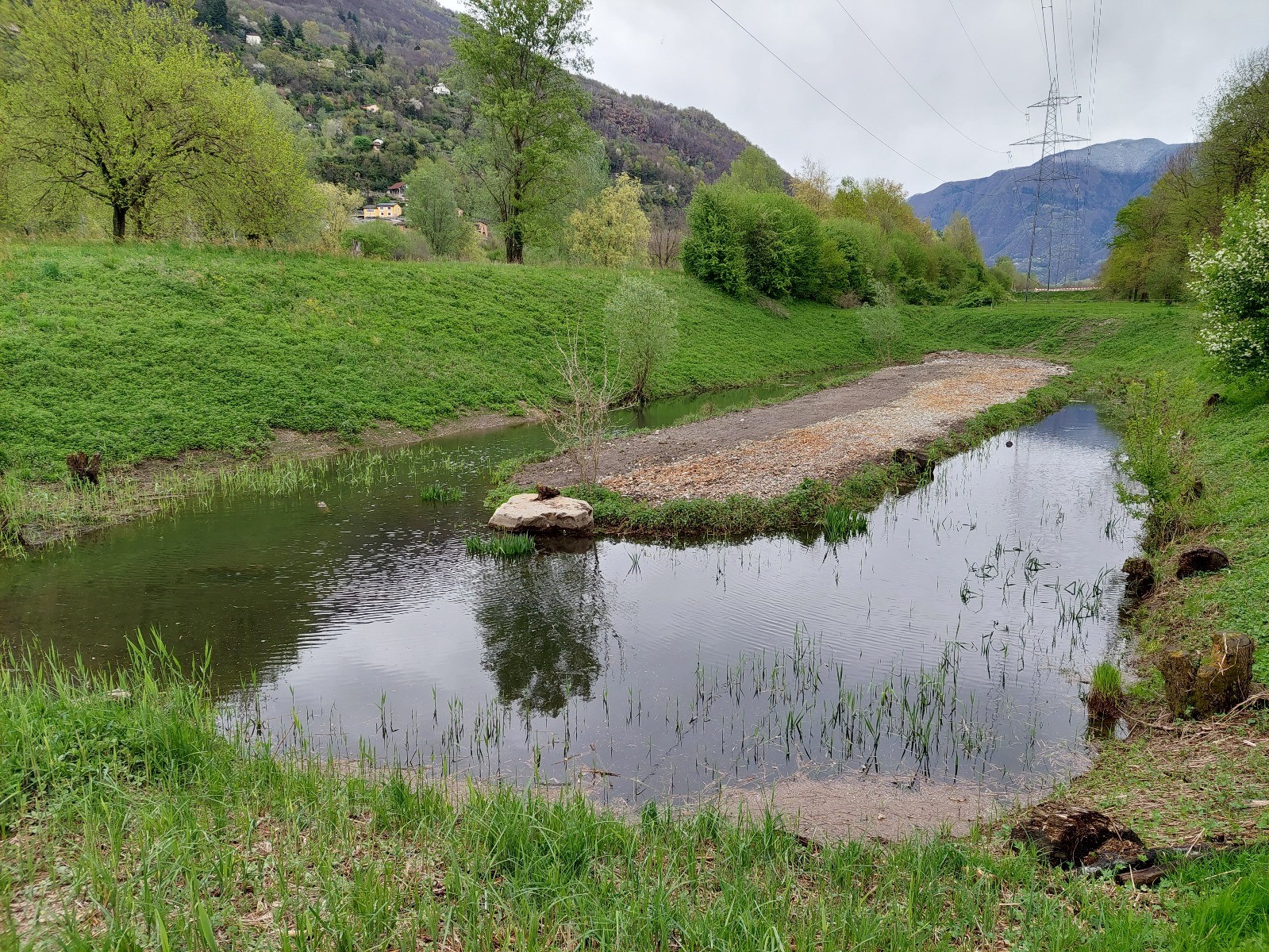
Maintain and regenerate permanent and temporary water points.
State before interventions: issues
Surveys conducted during October 2019 highlighted the deficits and main problems encountered. The state of conservation of the most relevant habitats for the biotope, characterized by water determinism (pools, reed beds), was found to be fair; however, the herbaceous, shrub, and tree phytocoenoses immediately adjacent to them were heavily invaded by neophytes. The degree of alteration of the indigeneity of plant populations is often high, and exotic species are dominant in most cases. This situation indicates that current management to counter the phenomenon of invasive species is not effective either in areas under a management agreement or in areas outside of it; in the latter, the situation is particularly aggravated by the presence of a very extensive and established population of Reynoutria xbohemica, which is worryingly expanding in the reserve as demonstrated by numerous new outbreaks/populations observed even outside the embankments.
Specific objectives of the environmental restoration
The project area is located within a zone of great naturalistic, landscape, and agricultural value, defined as an agroecosystem. The management plan must fulfill the following specific objectives:
1
Ensure a satisfactory state of conservation for the core zone of the marsh.
2
Provide guidelines for the management of buffer zones to best ensure the protection of the site and particularly the wetlands.
3
Implement an effective fight against invasive species, which are particularly widespread and integrated into all environments of the project area; among these, a specific fight must be undertaken against Reynoutria xbohemica, a plant that is particularly difficult to eradicate.
Description of interventions
Eradication of herbaceous invasive species
Mechanical mowing of the reed bed
Reynoutria xbohemica: brush cutting (mower)
Girdling of adult black locust and tree of heaven plants and control of regrowth
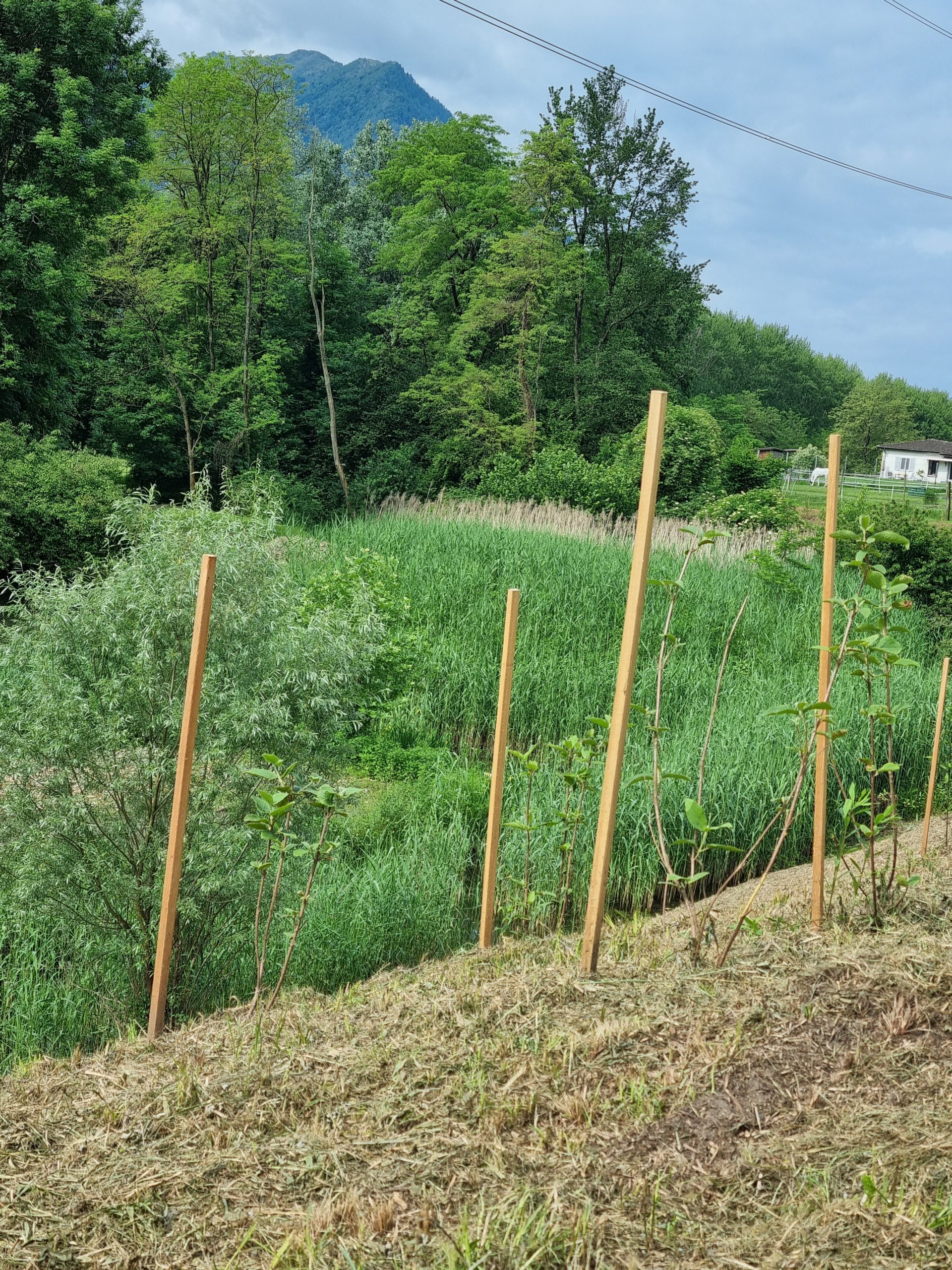
Strengthening of existing hedges and new plantings in sites occupied by invasive species
Mowing of herbaceous invasive species (motor mower/brush cutter)
Eradication of tree or shrub invasive species (young-subadult)
Revitalization of pools and wetlands
Reynoutria xbohemica: electrical weeding with RootWave
Reynoutria xbohemica: initial winter mowing and disposal in landfill